

Last summer I put a roll of Kodak Gold 200 into a Konica S3 – a popular, quality 35mm camera from the ‘70s. It’s a rangefinder so focusing is done manually and after setting the shutter speed the camera automatically selects the aperture.
It’s small and light and is renowned for its 38mm f1.8 Hexagon lens which can create stunning images. I took it with me from time to time, taking the odd shot when something caught my eye. Honestly, when I made the 36th exposure last month I had forgotten what I had taken months earlier.
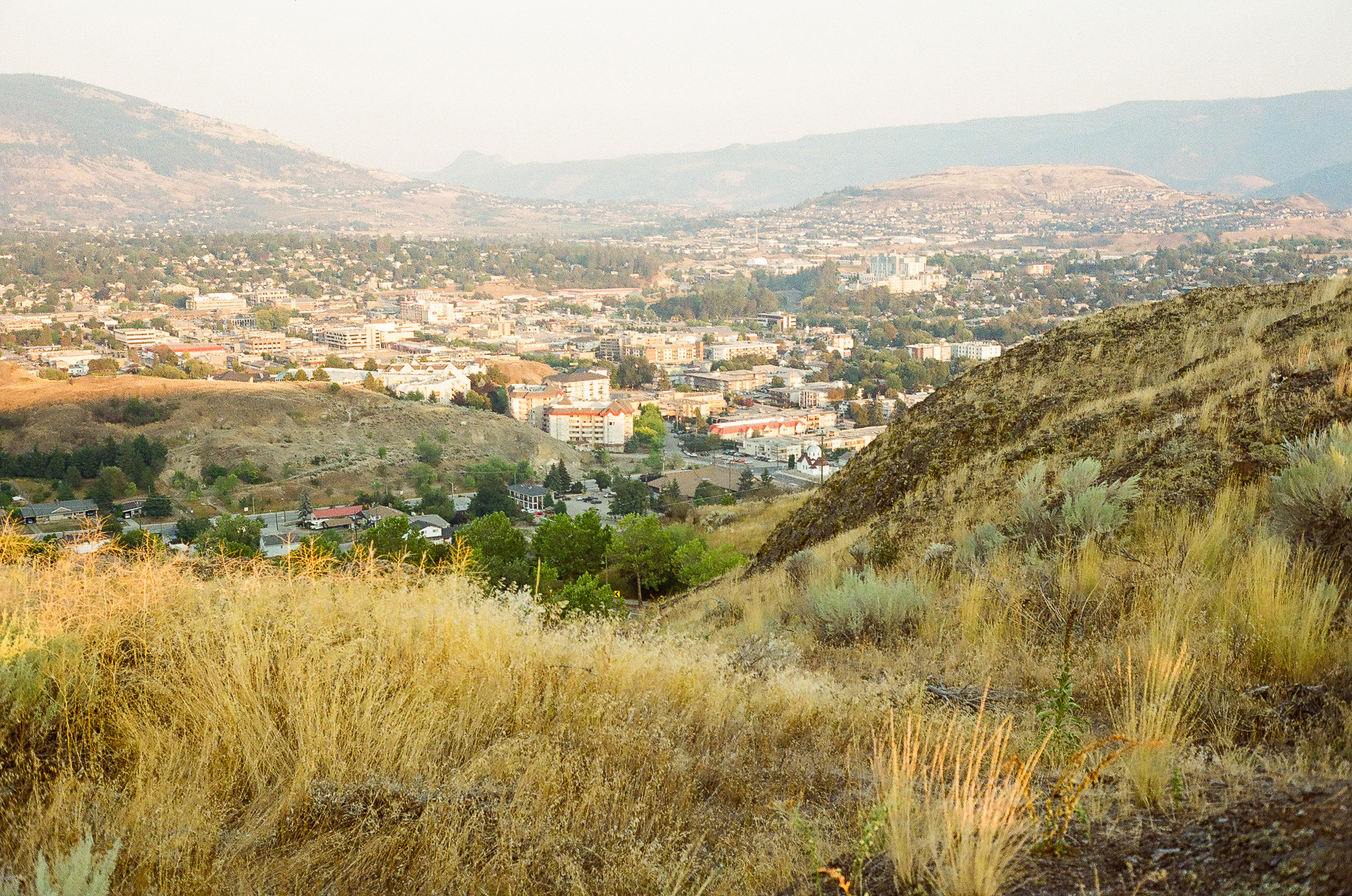
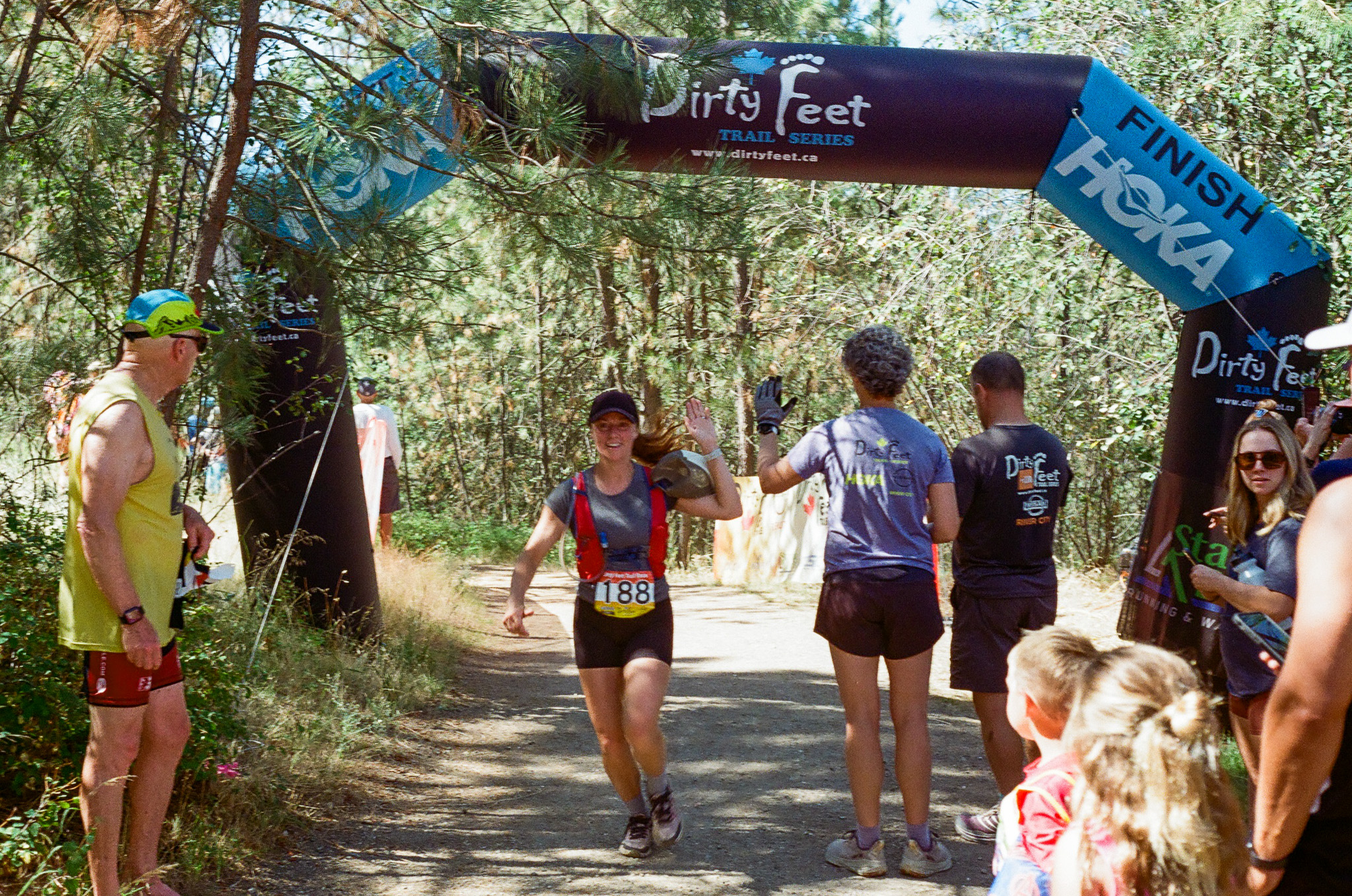
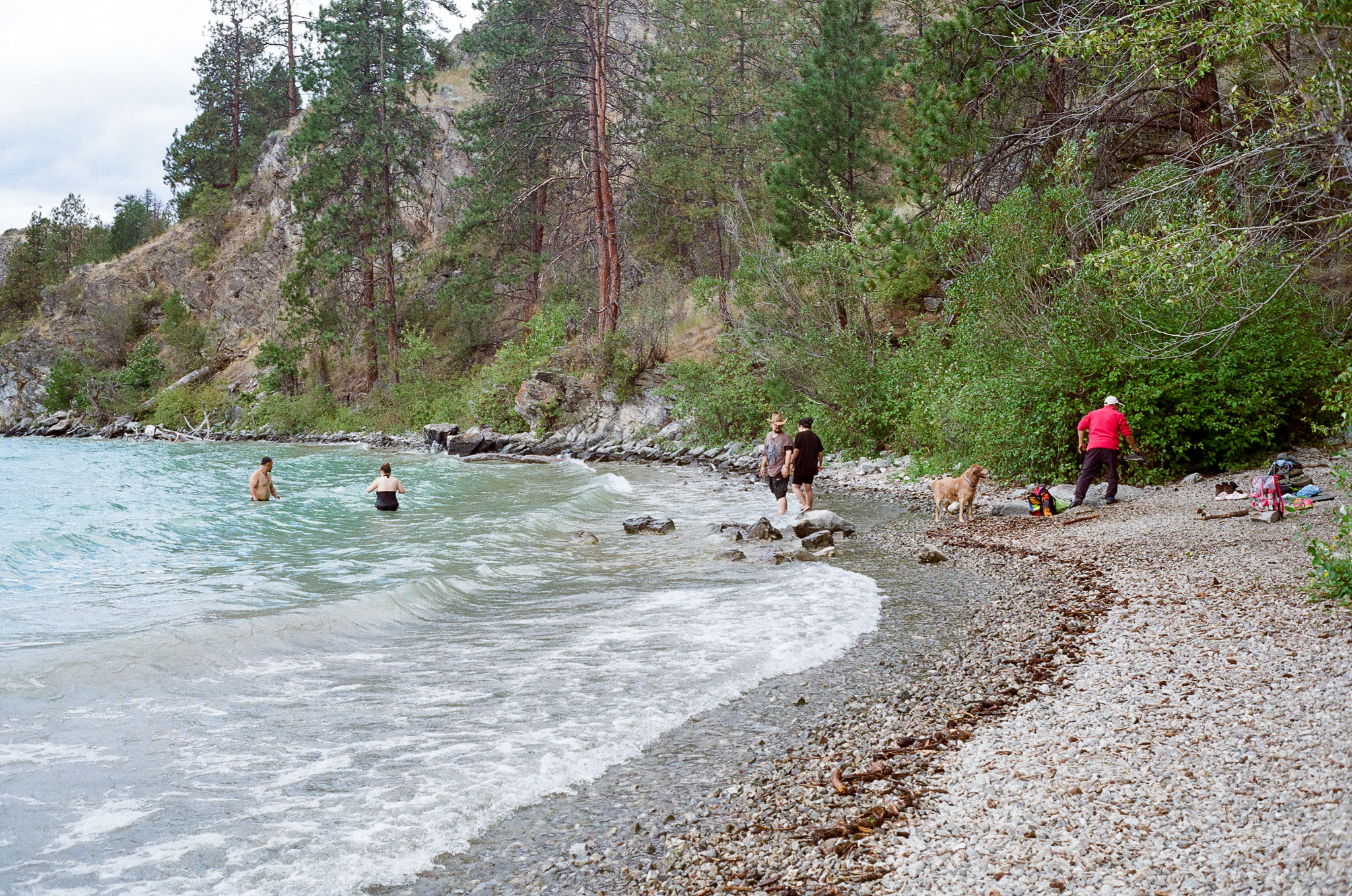
I handed the 36 exposure canister in to London Drugs Photo Lab with instructions to process and scan. A week later I had the pleasure of revisiting hazy summer memories – and it was indeed a great summer, with much of it spent outdoors.
I’ve been a serious photographer for 50 years, with some of that time spent as a professional. I used film for the first 30 years before whole-heartedly embracing digital. The reasons for change were cost and freedom from processing labs where quality came at a high cost.
In fact, a few years ago when London Drugs (the only notable camera retailer and processing lab in my part of part of the world) ran a film promotion I thought they were insane! I couldn’t understand why anyone would go back to using film when digital was the norm.
But just over a year ago I started experimenting with vintage lenses on digital camera bodies. I quickly discovered that some of these old lenses were actually very, very good. So good, in fact, that I started hunting them down in thrift stores, Ebay and Marketplace. So I now have lenses which I can use on my digital Leica SL2S with an adapter. They are fully manual without any electronic connection to the camera, so I now have to slow down when I’m working which isn’t a bad thing – especially as I shoot mainly landscapes and nature.
The next thing I found myself doing was buying old, mechanical film bodies which originally worked with these lenses. Some of these bodies require a little TLC as they haven’t been used for years. I’m good with mechanical things so I started opening them up to fix minor issues and I now have several good, working examples of the Konica Autoreflex range so I wanted to run some film through them.
This is where it gets interesting. I’m back to the fundamentals of photography and I love the slower, deliberate approach to capturing an image. I’m no longer a slave to complex camera menus and a plethora of buttons and dials. Once the film speed is set of the camera I just need to meter the light, set the aperture and shutter speed, then focus and press the shutter release.

For my genre of photography this is just fine – I don’t need lightning fast autofocus for sports or action, and I don’t need 10 frames per second either. If I did, I would be back to digital.
So, I still have to buy film and then pay for processing. The big thing that has changed in the last 20 years is that my processed film can be immediately scanned before dust and scratches degrade the negatives and I can use those scans in my normal digital workflow. I still archive the negatives but I’m not sure I will ever need them again.
Although I can make digitally captured images look somewhat like film in Adobe Lightroom, film has interesting ways of rendering colour, and film grain gives a distinct texture to the image. I actually really like the look! And there are still a lot of film choices out there – each with its own distinct palate – so it’s a case of finding the one which best suits your needs.
Finally, for someone thinking of getting into photography, I would encourage starting with film, where you can really learn the fundamentals. Sure, film and processing is expensive, but if you factor in the depreciation of modern digital cameras and lenses you may still be well ahead. Remember too, we learn best through our mistakes, and paying $1 per shot will quickly focus the mind! A working 35mm film body and lens will typically cost under $200 and in the right hands, is capable of amazing image quality. Of course, content and composition are ultimately the magic ingredients that give photographs meaning and that’s a topic in itself. So why not give film a try?

 Above and Beyond.....